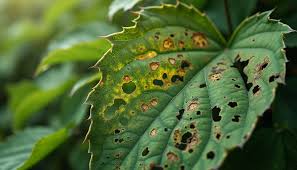
Anthracnose is a common fungal disease caused by several species of fungi (mainly Colletotrichum and Gloeosporium), which thrives in warm, humid, and wet conditions, attacking trees, shrubs, and garden crops (like tomatoes, peppers, and cucumbers). It is identified by small, dark, sunken lesions on leaves, stems, fruits, or flowers, often leading to premature leaf drop and fruit rot.
Garden Design
Garden Design
+3
What Causes Anthracnose?
Fungal Spores: The primary cause is Colletotrichum fungi that survive the winter on infected plant debris, twigs, or in the soil.
Environmental Factors: High humidity, prolonged wetness, and moderate to warm temperatures (typically spring rains) create the ideal environment for spores to germinate.
Spread Mechanism: Spores are spread by splashing rain, irrigation, wind, and contaminated gardening tools.
Host Condition: Weakened, stressed, or improperly spaced plants with poor air circulation are more susceptible.
Garden Design
Garden Design
+4
How to Care for Infected Plants
If you see symptoms of anthracnose, take immediate steps to reduce its impact and prevent it from returning:
Prune Infected Areas: Immediately cut back and dispose of infected twigs and branches, especially those with small brown or orange lesions (cankers).
Sanitize Tools: Disinfect pruning shears with 70% rubbing alcohol or a 1:6 bleach-to-water solution after each cut to avoid spreading the fungus.
Sanitation: Rake up and destroy fallen leaves and infected debris throughout the season. Do not add infected material to your compost pile unless it reaches 140°F.
Apply Fungicides: For serious infections, apply fungicides containing copper, chlorothalonil, or mancozeb. These work best as a preventative measure at bud break in spring but can reduce the spread of an existing outbreak.
Manage Water: Stop overhead watering immediately; use a drip hose or water at the base of the plant to keep foliage dry.
Clauser Tree Care
Clauser Tree Care
+6
How to Avoid Anthracnose
Plant Resistant Varieties: Choose plant cultivars known to be resistant to anthracnose.
Provide Proper Spacing: Ensure adequate spacing between plants to maximize air circulation and sunlight, allowing leaves to dry quickly.
Practice Crop Rotation: Avoid planting the same susceptible crops (e.g., tomatoes, beans, cucurbits) in the same spot for at least 3–4 years.
Mulch: Apply mulch around plants to provide a barrier between soil-borne spores and lower leaves, reducing the splash effect.
Clean Up Garden: Always perform a thorough cleanup of dead plants and fallen leaves in the fall to remove overwintering spores.
Inspect New Plants: Only buy plants and seeds from reputable nurseries to avoid introducing the disease.